
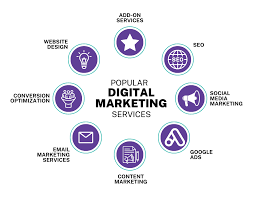
In today’s digital-first world, businesses can no longer rely solely on traditional marketing. Digital marketing has become a key driver for growth, allowing companies to connect with audiences online, generate leads, and increase sales. However, what is digital marketing really, and how does it operate? Let’s break it down for beginners.
What is digital marketing?
Digital marketing refers to the promotion of products or services using digital channels such as websites, search engines, social media platforms, email, and online advertising. Unlike traditional marketing, digital marketing allows businesses to reach a global audience, engage customers in real-time, and track measurable results.
It is a broad field that includes various strategies designed to attract, engage, and convert online users. The main goal of digital marketing is to increase brand awareness, drive traffic, and generate leads or sales.
Key Components of Digital Marketing
Search Engine Optimization (SEO): Optimizing your website so it appears in search engine results, helping users find your business organically.
Social Media Marketing: Promoting your brand on platforms like Facebook, Instagram, LinkedIn, and TikTok to engage with your audience.
Pay-Per-Click Advertising (PPC): Paid campaigns on Google or social media platforms that drive targeted traffic quickly.
Content Marketing: Creating blogs, videos, and infographics to provide value, educate users, and position your brand as an authority.
Email Marketing: Sending newsletters or promotional emails to nurture leads and maintain customer relationships.
Affiliate & Influencer Marketing: Collaborating with partners or influencers to reach new audiences.
How Digital Marketing Works
Digital marketing works by strategically combining content, advertising, and analytics to attract and retain customers. Businesses first identify their target audience, then create content that resonates with them. Using platforms like Google, Facebook, or Instagram, this content is promoted to reach the right audience. Analytics tools help track engagement, conversions, and ROI, enabling businesses to adjust strategies for better results.
Why Beginners Should Learn Digital Marketing
Even for beginners, understanding digital marketing is crucial. It allows businesses and individuals to grow their online presence, reach customers cost-effectively, and compete with larger companies. With the right strategies, even small businesses can achieve measurable growth and build lasting relationships with their audience.
Conclusion
Digital marketing is no longer optional—it’s essential for anyone looking to succeed in today’s online-driven world. By learning the basics of SEO, social media, content creation, and paid advertising, beginners can start building an effective online presence that drives real results.